How Receiving Windows Lose Executability Before Failure Becomes Visible
The Moment It Breaks
The shipment looked fine.
The schedule was stable. The window was open. Nothing had moved.
Then it rolled.
For most export teams, the sequence feels like:
Everything was on track. Then it wasn’t.
That conclusion is wrong.
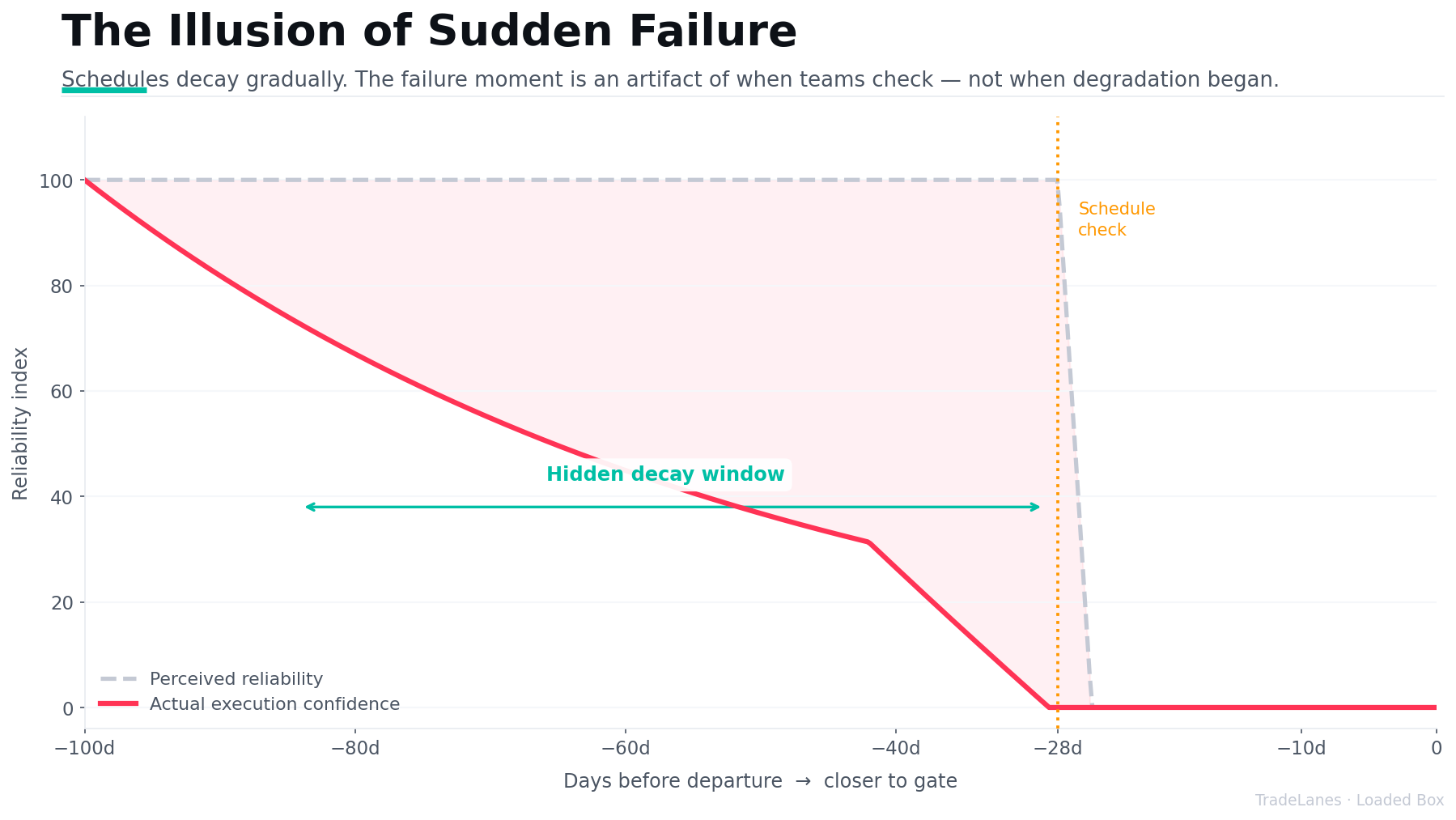
Figure 1 - The Illusion of Sudden Failure
Failure appears sudden. The system leading to it is not.
The Window Was Never Stable
The standard assumption is that execution risk develops over time.
The data does not support that.
Rolled bookings don’t lose their window.
They start without one.
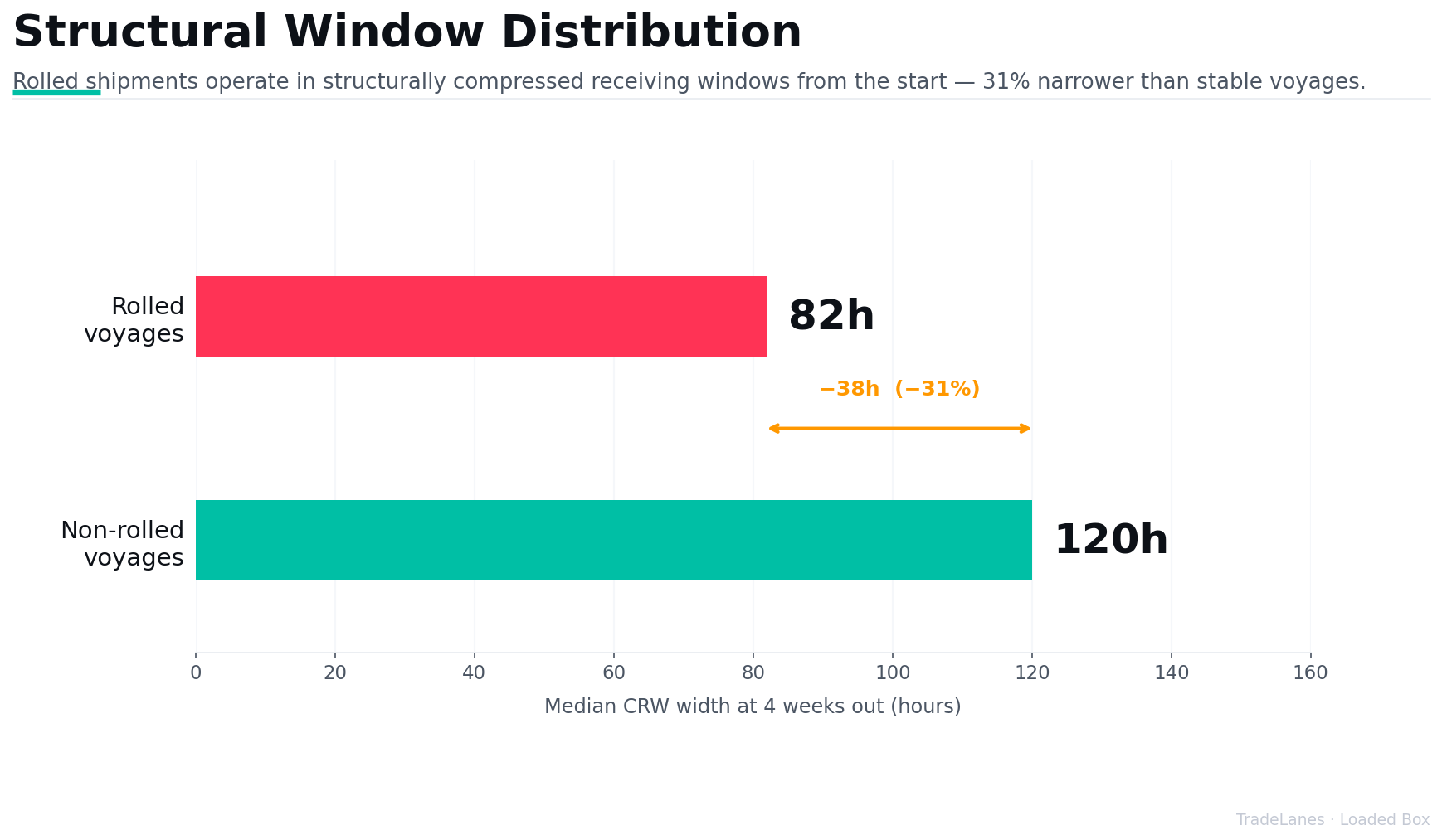
- Median initial receiving window (rolled): 82 hours
- Median initial receiving window (non-rolled): 120 hours
- 91.2% of rolled bookings begin under 120 hours
The margin is already constrained at the starting point.
Figure 2 - Structural Window Distribution
Execution risk is embedded at first observation - not accumulated.
The Shape of Decay
Execution does not decline evenly.
It follows a distinct pattern.
Phase 1 - False Stability
Everything appears intact.
Phase 2 - Hidden Decay
Small losses accumulate invisibly.
Phase 3 - Compression
The rate of change accelerates.
Phase 4 - Collapse
Recovery becomes impossible.
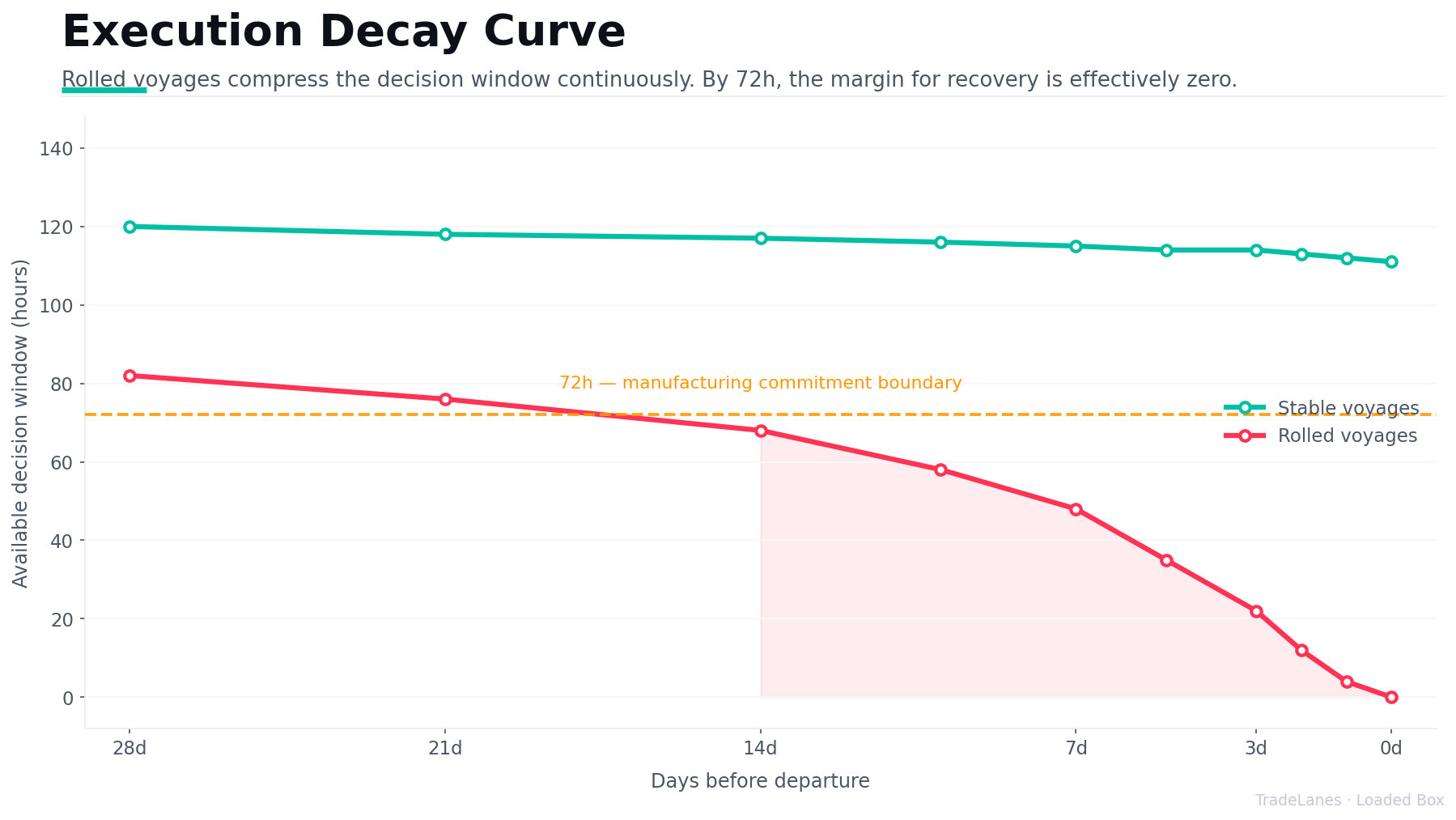
Figure 3 - Execution Decay Curve (Core Model)
Executability declines gradually, then collapses as the system enters the final 72-hour window.
The Signal Arrives After the Decay
The system does not warn early.
It confirms late.
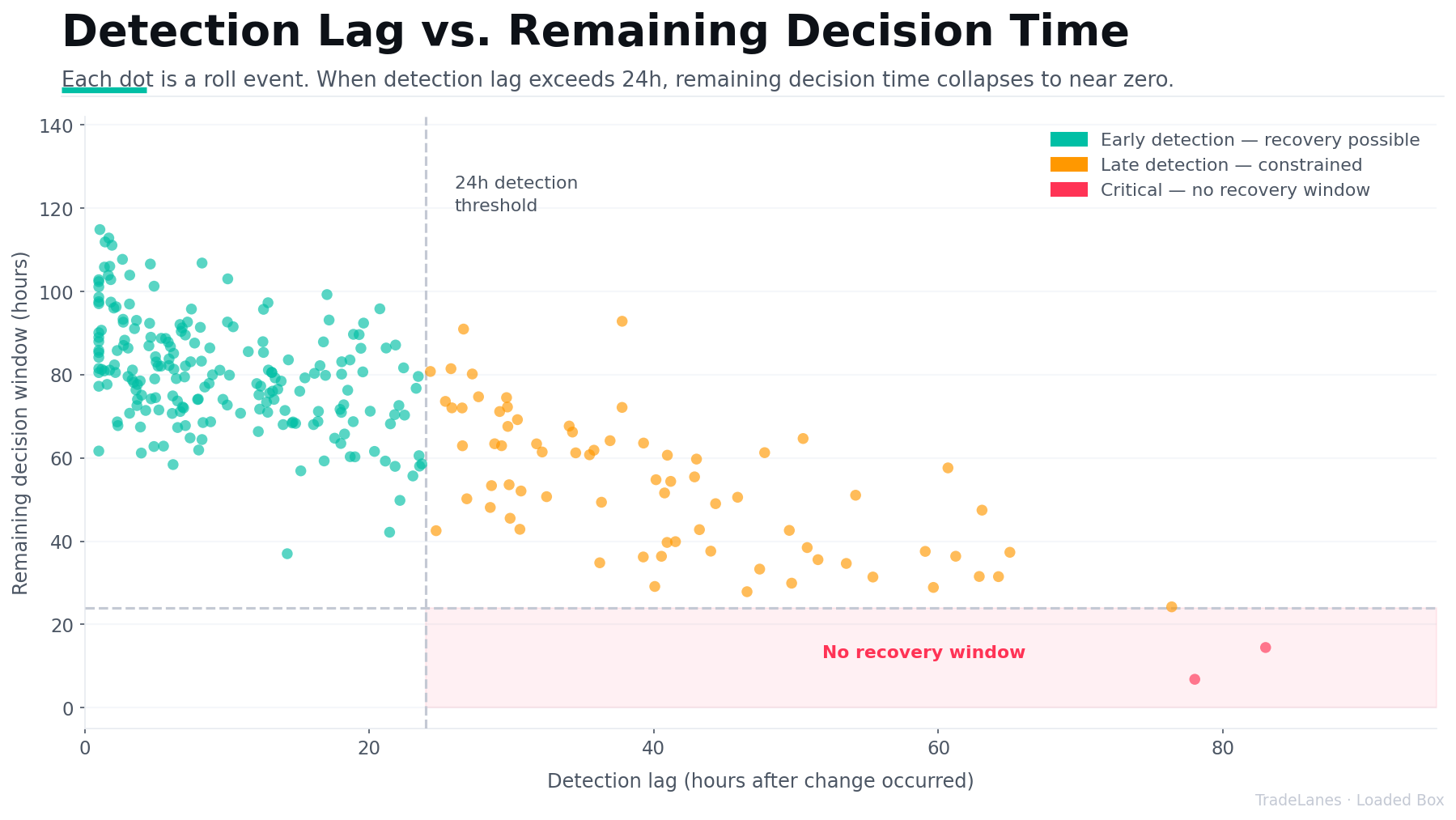
- Median detection lag: 8.5 hours
- 40% detected with <24 hours remaining
- 7% detected after ERD
Detection does not precede failure.
It follows it.
Figure 4 - Detection Lag vs Remaining Time
By the time the signal is visible, recovery is already constrained.
The Receiving Window Is the System
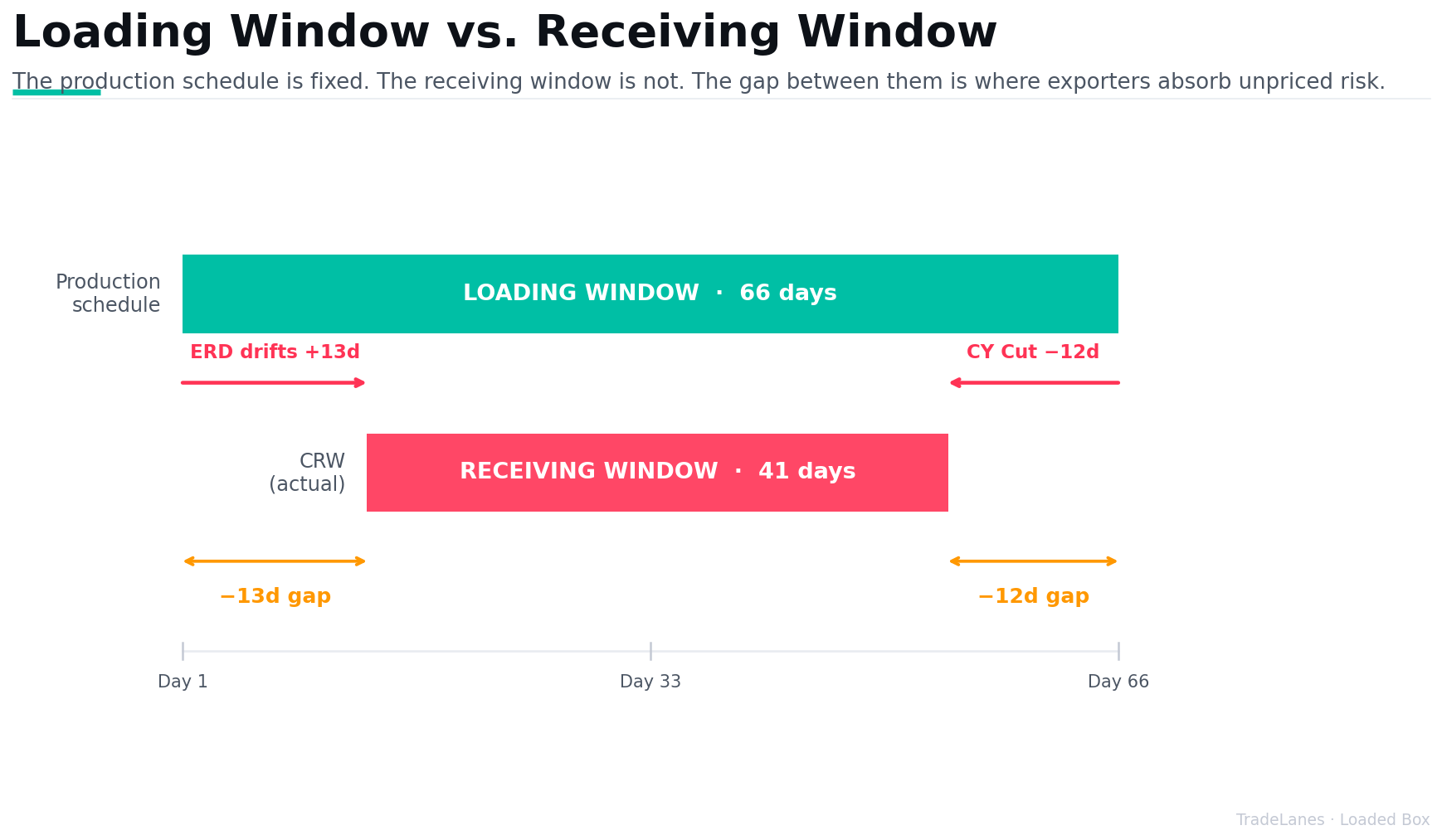
Export teams operate using the loading window.
Execution is governed by the receiving window.
Loading window:
- ETD
- Vessel schedule
- Booking
Receiving window:
- ERD → CY Cut
- Terminal acceptance
They are not synchronized.
Figure 5 - Loading vs Receiving Window
Expectation is stable. Execution is not.
The Boundary Moves
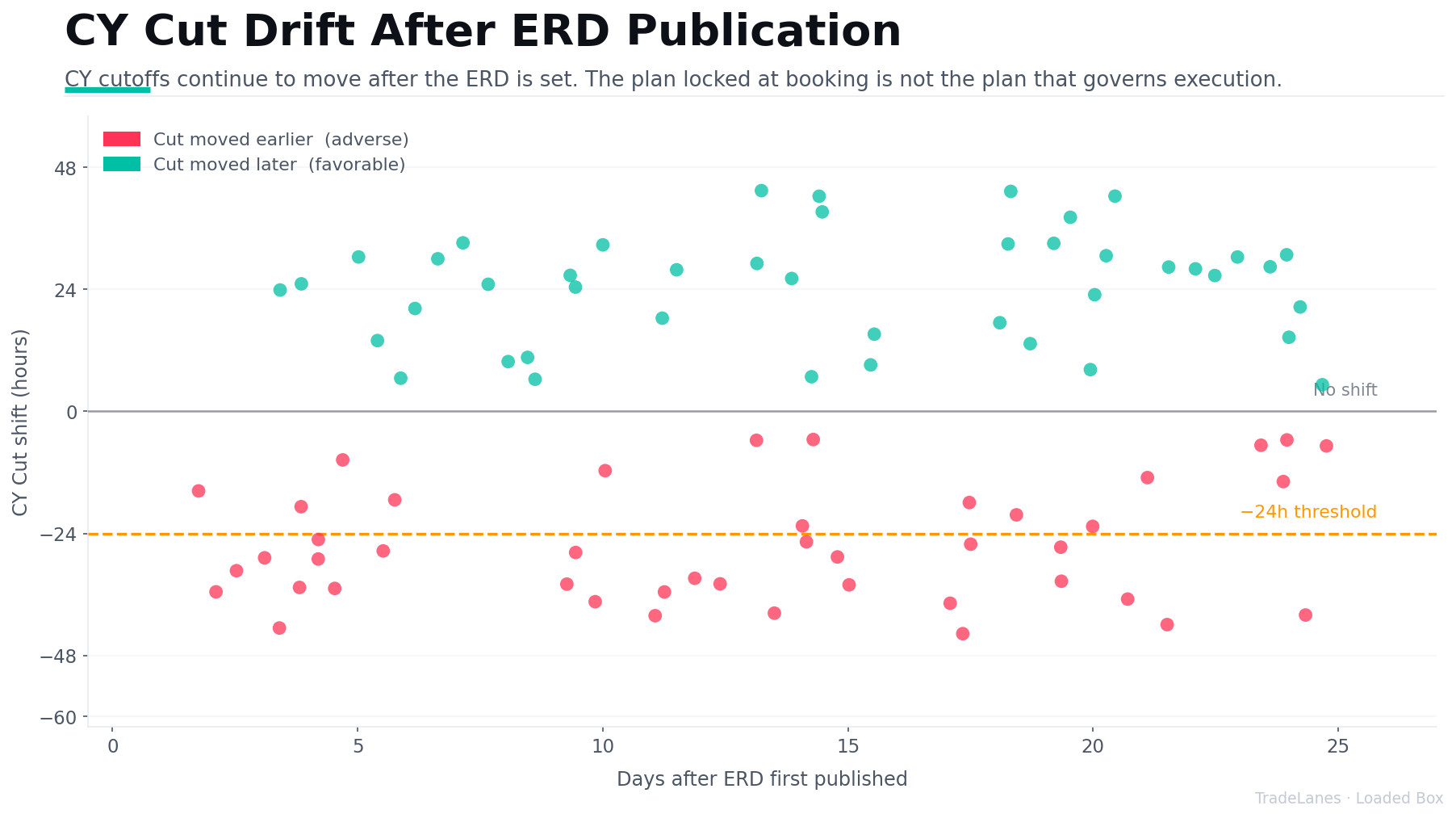
The CY Cut is treated as fixed.
It isn’t.
- 31.2% of CY Cut changes occur after ERD
- 45% on rolled bookings
A boundary that moves is not a boundary.
Figure 6 - CY Cut Drift Timeline
The constraint moves after execution begins.
Risk Is Concentrated
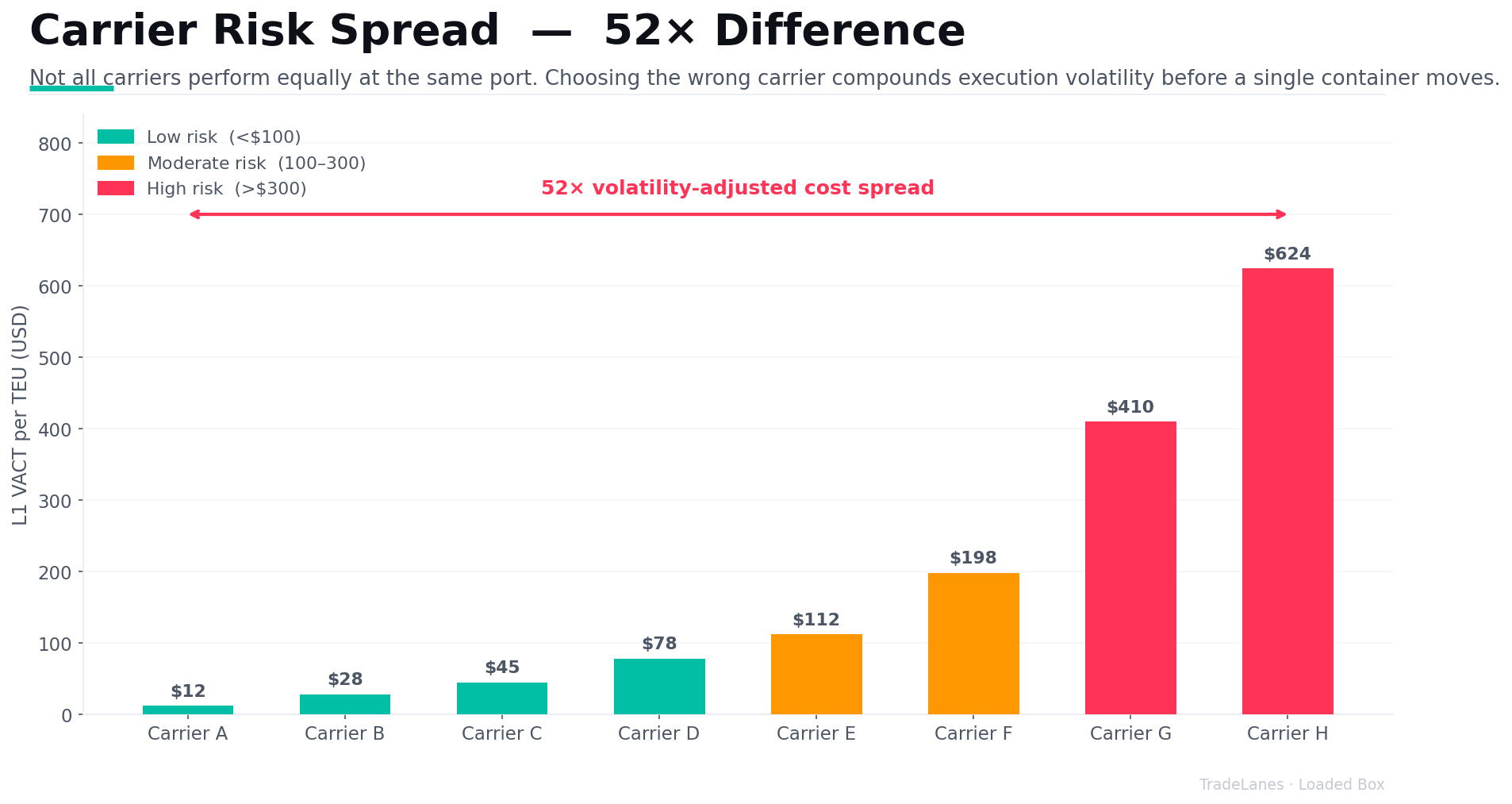
Risk is not evenly distributed.
- ONEY: 15.7%
- MSCU: 0.3%
52× difference.
This is not randomness.
This is structure.
Figure 7 - Carrier Risk Spread
Execution risk is concentrated, not market-wide.
The Quiet Schedule Problem
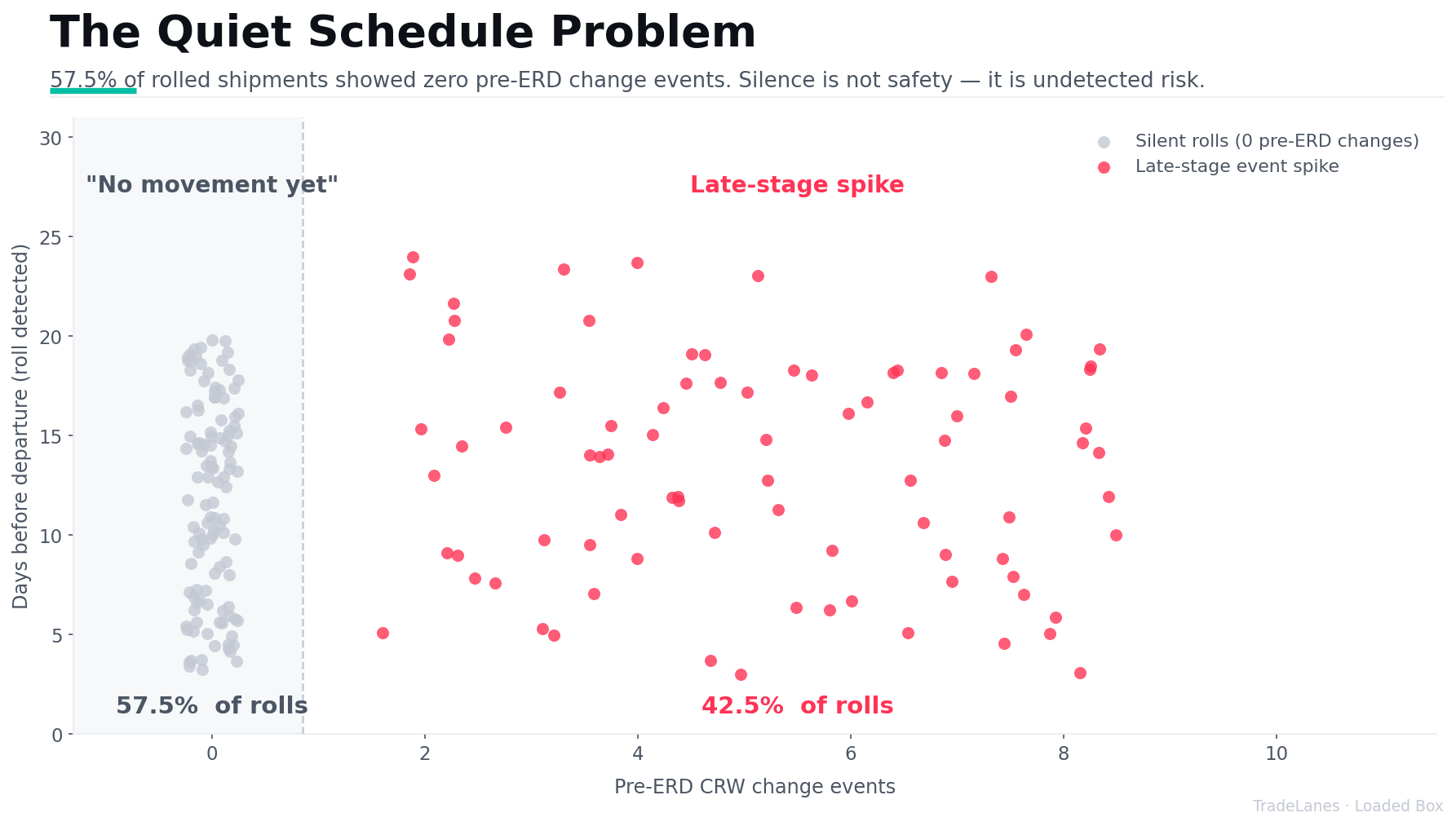
At 5 days before ERD:
- 25.3% show ERD movement
- 36.6% show CY Cut movement
The rest appear stable.
They are not.
Figure 8 - Quiet vs Late Movement
Silence is not stability. It is latency.
Execution Decay Is the Mechanism
Execution does not fail gradually.
It fails when:
- the window is already narrow
- changes cluster
- detection lags
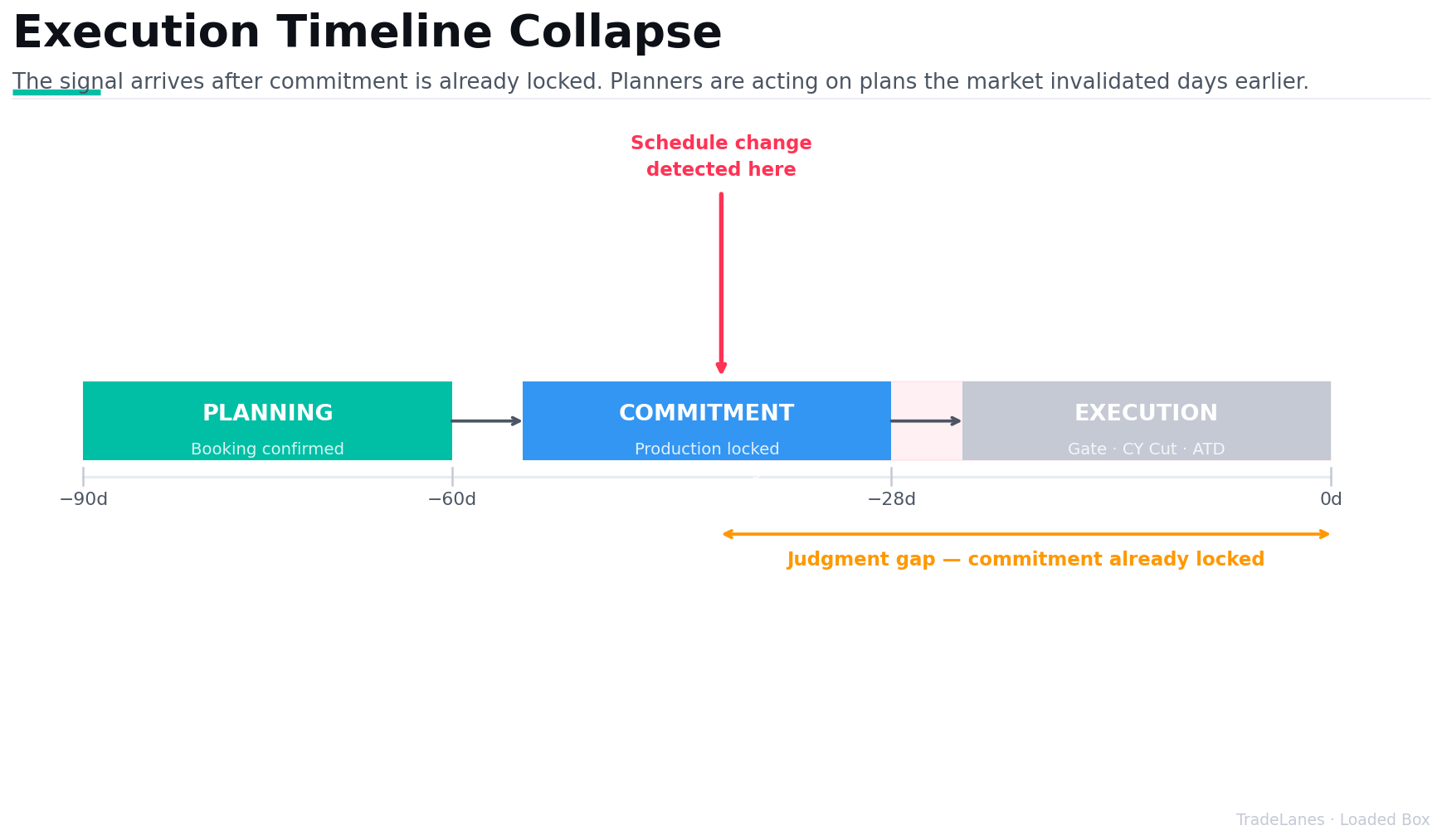
- decisions compress
Figure 9 - Execution Timeline Collapse
The signal arrives after the decision moment has passed.
The System Reveals Too Late
The exporter does not react too late.
The system reveals the problem too late.
Rolled bookings don’t feel sudden because they are unpredictable.
They feel sudden because: the system shows failure after it has already become inevitable
Failure is not when the window collapses. It’s when executability is already gone.





Leave a Comment